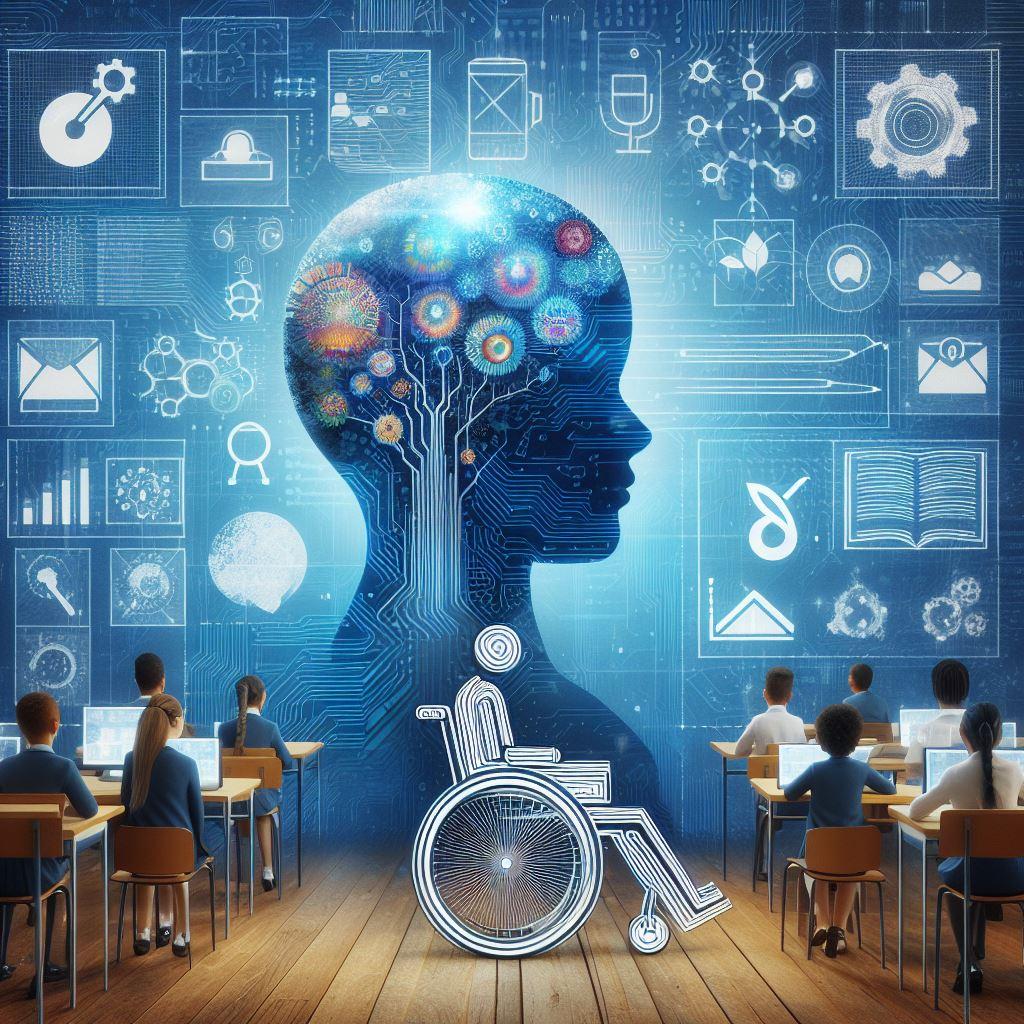
As the world enters an era shaped not just by technology but by intelligent systems, the nature of learning, opportunity, and employment is undergoing a profound transformation. Technology is no longer an advantage — it is a prerequisite. Artificial intelligence in particular is redefining how we think, work, and solve problems.
Yet, despite this rapid global shift, many government schools across India remain on the margins of this digital and AI-driven revolution.
Digital inclusion today means more than providing devices or installing screens. It means ensuring that every child, irrespective of background, gains the skills and exposure to understand, use, and benefit from emerging technologies — especially AI.
The Digital Divide: A Persistent Challenge
Government schools continue to face systemic gaps that restrict digital and AI adoption:
- Limited availability of digital teaching tools
- Insufficient access to computers and internet
- Minimal exposure to AI-enabled learning
- Low levels of digital and AI literacy training for both students and educators
These disparities create an uneven starting line. While some children learn through smart classrooms, AI-assisted platforms, and interactive modules, others remain dependent on traditional approaches that can no longer match the speed of a technology-first world.
Without intervention, this divide may become a generational barrier to opportunity.
The Importance of Digital and AI Literacy in the Modern Age
- Understand digital tools and how AI systems work at a basic level
- Use AI safely, ethically, and responsibly
- Adapt to workplaces shaped by automation and smart technologies
- Think critically and solve problems using data and intelligent tools
- Collaborate in digital and virtual environments
AI is now embedded across industries — from healthcare and logistics to finance, design, and education. Tomorrow’s workforce will require far more than foundational literacy and numeracy. Students must be able to:
AI literacy is emerging as a core life skill — just like reading or mathematics. For government school students, learning how AI works, what its limitations are, and how to use it thoughtfully can open new pathways to learning and future employment.
Vimové Foundation’s Commitment
Vimove Foundation is dedicated to closing this digital and AI literacy gap through sustainable and scalable solutions designed specifically for government schools. Our initiatives focus on:
- 1. Smart Classroom Infrastructure: Modern digital screens, interactive teaching tools, and structured learning modules that boost engagement and enhance comprehension.
- 2. Digital & AI Literacy Training : Training programs that empower teachers and students with essential skills — from basic digital navigation to introductory concepts of AI, safe internet usage, and responsible digital behaviour.
- 3.AI-Enhanced Learning Modules:Curated digital content and early-age exposure to AI tools that simplify complex topics, promote curiosity, and build familiarity with emerging technologies.
- 4. Long-Term Support and Maintenance :Infrastructure is meaningful only when sustained. Vimove ensures regular monitoring, timely servicing, and continued support to keep systems functional and impactful.
A Thoughtful Approach: AI Is a Work in Progress
AI continues to evolve rapidly, and so does its role in education.
- At Vimove Foundation, we recognize that:
- Teachers need guidance to integrate AI meaningfully
- Our goal is not to replace human teaching — but to enhance it.
-
Students must be taught not just to use AI, but to question and understand it
We aim to gradually increase the use of AI in classrooms while ensuring safety, ethics, and relevance remain at the centre.
A Shared Responsibility
Digital and AI inclusion cannot be achieved by schools alone. It requires coordinated effort between communities, government bodies, corporations, and civil society. When we invest in digital access and AI literacy for government schools, we invest in a more equitable, capable, and future-ready India — one where every child can participate in the AI era, not merely observe it from afar. .
Conclusion
The AI era presents unprecedented opportunities — but only for those equipped to access them. For millions of children in government schools, digital inclusion and AI literacy can unlock potential, build confidence, and reshape life trajectories.
Vimove Foundation stands committed to ensuring that no child is left behind in this new technological landscape. Through modern infrastructure, teacher training, AI-enabled learning, and long-term support, we aim to create learning environments that prepare students not just for today, but for the decades ahead.